3 July 2021

How do you build a Paragraph 79 house?

If you’ve considered self building a house in the countryside, you might be put off by the strict planning permission requirements that can prevent your dream from becoming a reality.

However, a clause known as Paragraph 79 might be the answer to getting permission granted even on a heritage site. Read on to find out more.

What is Paragraph 79?

Paragraph 79 is an exemption clause in the National Planning Policy Framework (NPPF).

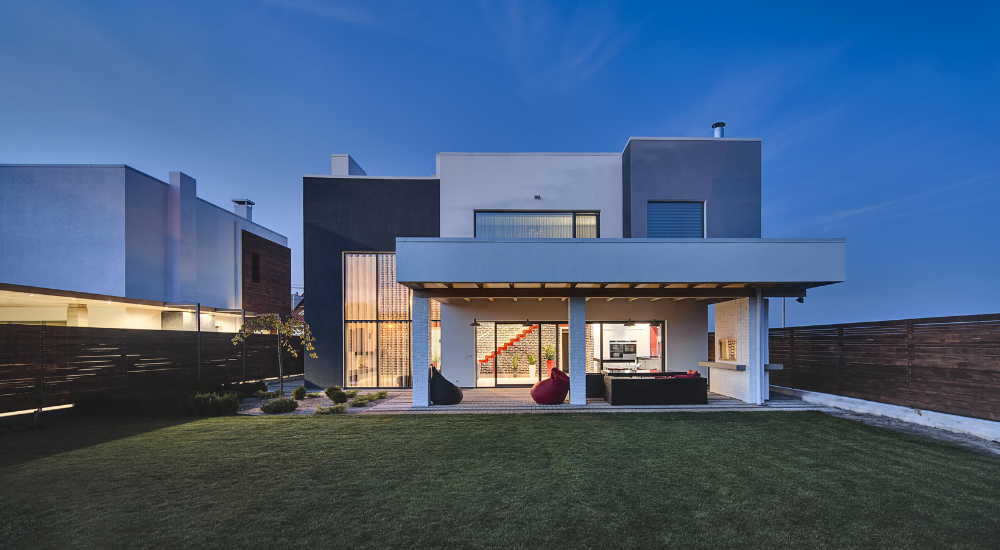
Also known as the country house exemption clause, Paragraph 79 allows certain exceptional designs to be approved where their location would normally cause planning permission to be denied. It is often a factor when applying to build isolated houses on green belts or within Areas of Outstanding Natural Beauty, where the construction of buildings is often incongruous with the surroundings.

The reason for this exemption is to allow for continual innovation and development within architecture. In particular, it helps to promote finding newer and better ways to make homes that are sustainable and environmentally friendly.

What criteria must a design meet?

In order to be approved, a proposal must meet some stringent criteria. These include specifications that the design must:

  • be of exceptional quality

  • be truly outstanding or innovative, reflecting the highest standards in architecture

  • help to raise standards of design more generally in rural areas

  • significantly enhance its immediate setting

  • be sensitive to the defining characteristics of the local area

You can’t expect to meet these criteria without thinking outside the box. As such, pursuing a Paragraph 79 house isn’t for the easily intimidated. It’s also important to note that you might not be able to build the home of your dreams exactly as you imagined it; you’ll need to be open minded and ready to roll with the punches.

How do I apply for Paragraph 79 exemption?

Getting approval isn’t an easy process, and there’s no guarantee that you’ll be granted an exemption. In fact, it’s actually extremely rare, with only about 6 granted per year.

Even using a previously approved project as inspiration isn’t a fool-proof tactic, as one of the stipulations is outstanding innovation. Copying an existing design will therefore make it much less likely to be accepted.

Paragraph 79 architects

If you'd like to discuss your potential Paragraph 79 project with us at Design Haus Architecture, please get in touch
25 June 2021

Minimalist architecture: When less is more

Minimalism is much more than just an art movement; it’s an entire design philosophy, and one that works perfectly when it comes to architecture.

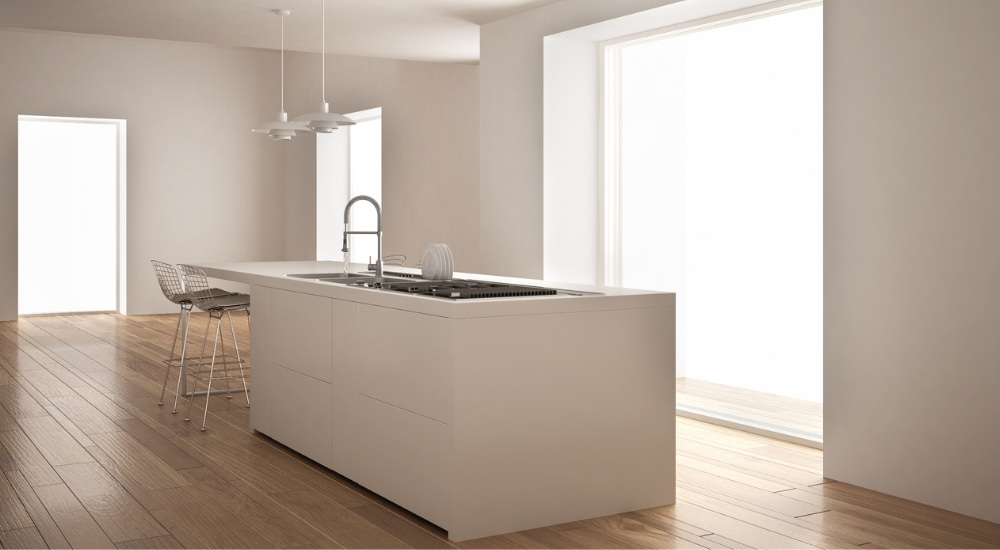
Minimalist architecture doesn’t have to be boring. In fact, it’s often quite beautiful, with sleek lines, open spaces and lots of light. It’s a great place to draw inspiration from if you’re looking to create a space that’s both practical and aesthetically pleasing.

Here’s why less is more when it comes to minimalist architecture.

Form as function

Minimalist design embraces making the most out of small spaces, or minimising interruptions to the sleek, simple form by integrating functional elements into the structure itself.

This means that a minimalist building won’t have much in the way of decorative architecture, as this only serves the purpose of looking pretty. Instead, you’ll find carefully hidden pipes, underfloor heating and practical design. There’s no clutter and no waste; just efficient spaces designed to work well.

Subtle beauty

With sleek, continuous lines and a focus on simplicity, minimalist buildings feel open, uncluttered and calm.

This style of architecture embraces simple colour palettes, often comprising grey, white and neutral tones. This offers a clean, modern effect that stands alone in its understatement, while also allowing for a pop of colour or a statement piece without overpowering the décor if desired.

Simple materials

A key part of minimalism is paring everything down to the essentials. One way in which this is achieved in architectural design is by using a limited selection of materials.

Concrete, stone and pale-coloured wood are just some of the elements that you can expect to find in minimalist design, and you’ll usually find a lot of them. Sticking to a handful of materials makes the building as a whole feel like a unified space, while also keeping costs down.

Open spaces

Minimalist architecture places a lot of importance on fluid, open spaces. This gives the building room to breathe and creates an atmosphere that is both chic and subdued.

Making the most of natural daylight allows the space to feel bright and inviting without relying on artificial lighting. Floor-to-ceiling windows, mezzanines and open-plan living spaces bring in more light and help to make small buildings feel more spacious.

Seamless transitions

Uniformity of the various spaces within a building is one of the hallmarks of minimalist architectural design.

This means that moving from one room to another is a seamless and fluid experience, bringing a sense of consistency and order. Instead of having several small rooms boxed up with four walls and a door, each creating their own zone or theme, every space in a minimalist building contributes to the overall atmosphere.

Intelligent, beautiful architectural design

Working with Design Haus means that you’ll benefit from years of experience in both architectural and interior design. The flow, transition and usability of spaces is key to the Design Haus philosophy, creating spaces that look great while being practical in the long term.

To discuss your project, get in touch with Architect and Director James Brindley.

20 May 2021

How much does an architect cost?

If you’re looking to extend or renovate an existing building, or you’re planning a complete new-build project, you’ll know how important it is to keep on top of your budget.

Whatever your project, you’ll be looking to add value to the property. Working with a qualified architect is a great way to ensure that the end result is structurally sound, functional and aesthetically pleasing. But how much does an architect cost?

What affects the cost of an architect?

It’s impossible to give a blanket answer to the question of cost, as there are many variables that must be taken into account. Of course, a simple domestic extension will cost less than a complex new-build, and a London-based architect is likely to charge more than one in the Midlands.

Considerations that will affect the architect’s quote include:

  • Architect’s experience and qualifications

  • Build size

  • Project complexity

  • Project value

  • Location

  • Costs of materials, equipment and labour

Architects have different levels of qualifications and experience. For example, not all practitioners will consider the interior design of the space, so working with an architect who is also well versed in interior design will cost more.

Remember as well that you may not need an architect for your project, so you could avoid the cost altogether.

What do an architect’s fees include?

When appointing an architect, you’re not just paying for a design service. Not all architects offer the same services, but the fees may include:

Measuring and surveying the property or land

  • Drawing up 2D and 3D designs

  • Design revisions

  • Preparing and submitting planning applications

  • Managing the build project

  • Liaising with third-party contractors

When discussing quotes with different architectural practices, keep in mind which services are essential and which would simply be a waste of budget. You can keep fees down by making sure you’re only paying for the services you need.

How do architects charge?

Fee structures will vary between practices, but architects will usually charge on a percentage basis.

In the UK, you can expect your architect’s fees to be around 5–10% of the overall project cost. If your total project cost is £75,000, you can expect to pay anywhere from £3,750 to £7,500 for your architect’s services.

Practices that offer a variety of services may use different pricing models for each of these services. For example, architects may charge by the hour for project management on top of their standard design service.

Speak to a few different architects and make sure you understand the individual costs of each service before committing. You might think that one practice is much cheaper than the others, only to learn that many of the services you require require an additional cost.

Speak to Design Haus

If you’re looking to appoint an architect for a build project, get in touch with Design Haus. We’ll be happy to discuss your exact requirements and provide a quote for our architect-led design and build service.

3 April 2021

What’s the difference between an architect and an architectural designer?

When you’re looking to hire professionals to support a building or extension, you might be unsure of what exactly each different person’s role is.

One of the most common causes of confusion is the differences between an architect, chartered architect, and architectural designer. While these roles sound similar, there are some important differences that you should be aware of before appointing anyone.

What is an architect?

An architect is a person who is able to plan, design and oversee the construction of buildings. As well as dealing with the building itself, they will also assess and consider the building’s impact on the surrounding area, the environment and other key factors.

However, the term “architect” is protected, and a person can only call themselves an architect if they are registered on the Architects Registration Board (ARB). While other professionals may provide the same services, they cannot legally call themselves an architect unless they are ARB registered.

ARB is the UK’s regulatory board for architects and ensures that all registered members have the necessary qualifications and uphold relevant legislation. They work to ensure good standards within the profession.

View Design Haus’ James Brindley on ARB’s register.

What is a chartered architect?

A chartered architect is someone who is registered on both the ARB and the Royal Institute of British Architects (RIBA). They are therefore legally allowed to use the title “architect”, as well as being able to use the term “chartered” and the RIBA suffix.

RIBA chartered membership is voluntary and is not a legal requirement. However, it shows an additional dedication to the profession, working to ensure high-quality, environmentally friendly designs and excellent customer service.

View Design Haus’ James Brindley on RIBA’s member directory.

What is an architectural designer?

“Architectural designer” is a vague and broad title that covers the full range of architectural disciplines. They are able to provide some or all of the same services as an architect, but they are not a Registered Architect.

Unlike “architect”, the term is not protected or regulated, so there is no particular qualification that a person is required to have before using the title “architectural designer”. However, they are likely to have some architectural qualifications and often work alongside Registered Architects on design projects.

How to decide who to appoint

There is no legal requirement to use the services of an architect when expanding, renovating or constructing a building. Who you choose to work with will depend on the scope of the project and its particular challenges.

An architect’s job to manage the project for you and liaise with third parties. This includes managing contractors and obtaining planning permission from local authorities.

Don’t pay for more than you require. For smaller, simpler projects, an architectural designer may be adequate. However, the more complex the build, the more beneficial a chartered architect will be. A practitioner who has previously worked on similar projects will be worth their weight in gold.

It’s also worth bearing in mind that governing bodies like ARB will investigate complaints against a member should you have a problem, so this gives you greater protection against cowboys.

James Brindley, chartered architect

Design Haus’ James Brindley is a fully qualified chartered architect registered with ARB and BIID, and fully accredited by RIBA.

Read more about different architectural qualifications or get in touch to discuss your project.

30 December 2020

Architectural accreditations explained: RIBA, ARB and BIID

No matter how big or small your project, it’s important to ensure that you hire an architect that is fully qualified and capable for the task at hand.

When you’re dealing with the budgets and complexities associated with building and construction, hiring an accredited architect will give you peace of mind.

Architectural accreditations can be tricky, as they are not necessarily a legal requirement. Here’s a quick guide to the most common architectural accreditations, so you can be sure that your architect is up to the job.

RIBA: Royal Institute of British Architects

Dating all the way back to 1837, the Royal Institute of British Architects is the UK's chartered body for architecture. It was founded to promote the advancement of architecture and maintain high-quality design and customer service.

Led by an elected president, the RIBA comprises a 60-member council, predominantly of chartered architects, who are responsible for monitoring members and the institution as a whole. There are more than 28,000 chartered members of the RIBA.

RIBA chartered membership is voluntary and is not a legal requirement to practise as an architect. However, registering allows an architect to use the term “chartered” and the RIBA suffix.

View James Brindley on RIBA’s member directory.

ARB: Architects Registration Board

The Architects Registration Board is the UK’s regulatory authority for architects. It was established by Parliament in 1997 to regulate architects to ensure good standards within the profession.

Although it is not essential to use an architect to design a building, the term “architect” is protected, and anyone who wishes to use it must be registered with the ARB to legally do so.

ARB ensures that all registered architects meet the required standards and have the necessary qualifications to practise, as well as upholding relevant legislation and investigating any complaints made against a member.

View James Brindley on ARB’s register.

BIID: British Institute of Interior Design

The British Institute of Interior Design is the only professional institute for interior designers in the UK.

While it’s not an essential requirement for architects, it’s a great addition to their CV. The rigorous entry requirements assess a member’s training, experience and professionalism, and BIID encourages members to continue their professional development throughout their career.

Working with a BIID-registered architect means that you’re getting a truly holistic approach to the overall design of your building. It also helps to reduce costs and simplify your project team, enabling your architect to take care of all aspects of interior design as well.

View James Brindley on BIID’s registry.

Work with a fully accredited architect

If you’re looking for a qualified architect that you can rely on, you’ll find it in Design Haus. I’m registered with ARB and BIID, and fully accredited by RIBA, so you know you’re in good hands when you put me in charge of your project.

30 November 2020

Essential questions to ask your architect before starting a project

When you’re bringing an architect on board for a building project, no matter how big or small, there are a few essential questions that you should ask them before committing.

Make sure to speak to a few different architects before deciding who to go with. By asking them all the same questions, you’ll be better able to directly compare them and decide who’s best for the job at hand.

Do you have experience with this type of project?

Finding out whether an architect has worked on a similar type of project before is extremely beneficial when choosing who to go with.

While one architect’s fees may be lower, they may be less experienced in the required area than others. In this instance, you might benefit from paying more for the specialist expertise.

You should also ask to see examples from the architect’s portfolio of similar projects, and for references that you can follow up on.

How do you charge?

Not all architects charge the same way. Make sure you know what to expect from your architect’s fee structure.

Find out exactly what is included in the basic services, what would incur additional costs, and how the architect would deal with any unexpected costs.

It’s also worth clarifying whether the budget includes VAT, as this can make a huge difference in the quote.

What is the proposed timeline?

It’s always worth knowing roughly how long a project will take, though there should always be some leeway for unexpected issues.

Again, this is a good way to find out more about your architect. If you speak to one architect who quotes a much longer or shorter timeframe, ask for details as to why they think it will take this long. From the size of the team working on the project to the architect’s current workload, there are many reasons why you might receive a different answer from different practices, and these could inform your final decision.

What will you require from the architect throughout the project?

Some architects are more hands-on than others, handling all aspects of admin and communication between contractors.

If you’re busy or simply happy to delegate the project admin, this is the perfect solution. However, if you’d like to be heavily involved in the process throughout, this type of architect might not be for you.

It’s also worth asking what input you will be required to make for design decisions, and when, so you can make yourself available.

Who will be working on the project team?

It’s often the case that when you first meet with an architect, they aren’t the person that will actually end up working on your project.

Find out exactly who you will be working with, including any third parties and contractors. Making sure that you like and trust the people on your team is extremely important, especially for long-term builds.

Work with James Brindley of Design Haus

I pride myself in being the sole point of contact for my clients, so they always know exactly who to talk to at any stage of the project. I’ll be there from day one right through to project completion, answering questions and providing solutions whenever you need them.

If you’d like to work with a conscientious, hands-on architect, get in touch with me today.

30 November 2020

Do I need an architect?

If you’re looking to make changes to your existing home, you may be wondering whether you need an architect.

While many people believe that architects are only necessary for large projects such as designing buildings from scratch, they’re extremely useful for smaller home improvements, too.

How do I know if I need an architect?

Strictly speaking, there’s no legal requirement to hire an architect for a project. However, an architect is able to create designs, optimise space, handle project admin, manage your budget and ensure that the final build meets all necessary regulations.

There are four main types of project that especially benefit from the input of an architect:

1. Ideas and big-picture thinking

If you’re not sure what you want, or you have ideas but don’t know how to implement them, working with an architect is invaluable.

Not only will an architect be able to give you some insight into how much your project should cost and how long it will take, they can provide practical, creative and unique solutions.

Tell your architect what you’re looking to achieve and they’ll give you options on how to do it. Whether that’s bringing more light into your home, creating more space or incorporating a particular material, an architect has the expertise to turn your vision into reality.

2. Extensions and conversions

As these are significant additions to your home, discussing an extension or conversion with an architect will help to ensure the best outcome.

Not only can an architect help you to design the new addition, they can advise where best to locate it to ensure the maximum amount of light or to provide the most natural flow from room to room.

In particular, if your addition offers challenges such as tight spaces, unusual shapes or changes in floor level, it’s best to bring an architect on board.

3. Changing layouts and removing walls

If you’re thinking about moving or removing interior walls to open up a space, or adding or moving doors and windows, you’ll want to work with an architect.

Changing the layout of your home isn’t as simple as knocking down walls and rebuilding them elsewhere; there are a lot of technical considerations to protect the structural integrity of the building.

As well as advising you which changes are safe and practical, an architect can help you to create a space that works. How doors and windows interact with a room, and how the space is utilised can make or break its function and enjoyability.

4. Obtaining planning permission

Architects know which projects require planning permission, and how to apply for it. This can be a complicated and time-consuming process to do by yourself, so handing it over to an expert will allow you to relax.

Your architect can fill out all the paperwork and liaise with the council on your behalf, handling any necessary changes quickly and efficiently. This will help you to complete your build project on time and minimise the chance of rejection.

when to hire an architect

Here are some common household remodelling projects that would benefit from the input of an architect:

  • Extensions

  • Conservatories

  • Loft conversions

  • Barn conversions

  • Moving the location of a bathroom or kitchen

  • Changing the position of or knocking down interior walls

  • Installing a swimming pool

  • Large projects with multiple contractors

  • Projects that require planning permission

While smaller jobs might not require an architect, they are often well worth their fees to ensure a smooth-running project.

Do you need an architect?

If your project does require an architect, then get in touch to discuss your project and turn it from a dream into reality.

30 November 2020

How to appoint an architect

Building design and construction projects can be expensive and complicated. Unless your project is very simple, you will benefit from the expertise of an architect.

An architect’s job is to help you to navigate the design and build process from start to finish, ensuring that the final build is functional, safe, and meets all legal requirements. However, many people have never hired an architect before, so the process can seem a little daunting.

Take a look at our guide to appointing an architect.

Finding an architect

The most important part of appointing an architect is finding the right person for the job.

Research architects in your area to determine their level of experience and areas of expertise, and meet with them to discuss your project in more detail. Most architects will provide a free consultation to assess the job, but you should expect to pay for more detailed advice or information.

Personal recommendations can be a useful way to find a trustworthy architect, but it’s worth bearing in mind whether the two projects are comparable; just because an architect was right for your friend’s job, doesn’t mean that their expertise is suitable for your requirements.

Architect accreditations

Make sure the architect offers what you’re looking for, but don’t pay for more than you need. For a relatively straightforward domestic extension, it doesn’t make sense to pay a premium for an architect that is highly experienced in renovating historic buildings.

The term ‘architect’ is a protected term, and anyone in the UK who refers to themselves as such must be registered with the ARB. It’s also a good idea to look for a RIBA registered architect to ensure that your chosen practitioner offers the highest level of service.

Architect fees

It’s extremely difficult to benchmark how much architects charge, as there are a huge number of factors behind pricing considerations.

The fee will depend on the appointed architect, whether that’s a signature architect, lead architect or junior architect, the size, complexity and type of building required, the location of the project, the level of service required, and many other factors.

When choosing between architects, make sure that you are comparing like-for-like services. Some architects may offer a complete service, from measuring and drawing up designs through to liaising with all contractors on your behalf. This will naturally make their fees higher than an architect offering pure consultancy.

There are three standard ways that architects charge for projects:

  • Percentage of the total build cost

  • Lump sum fee

  • Hourly rate

It’s important to discuss these options with your architect to determine which works best for your project before proceeding with the appointment.

Forms of appointment

Once you and your architect agree to work together, you will need to draw up an appointment to agree the work to be undertaken. This means setting out in writing the scope of the services required, as well as the fees that will be charged.

There are several standard forms appointment available through bodies such as RIBA, ACA and the CIC for more straightforward projects. These options have the benefit of being cheaper and more convenient than bespoke agreements, while providing clarity and legal backing for both parties.

Where a bespoke agreement is used, you should be careful to ensure that all relevant points are covered to ensure protection of both parties, including  warranties, payment provisions, copyright, termination and disputes.

If an architect is required for a very minor commission where a full contract may be seen as too much, a letter of appointment may be used. This should cover the same issues as a full appointment contract, outlining the project scope, fees, terms and agreements between the two parties. This less formal method may also be used while a full contract is being drawn up where a client wishes to get the project started quickly.

Looking to appoint an architect?

If you have an architectural project in mind and you’re looking for support, simply get in touch to discuss your requirements. We offer a free consultation, during which we will discuss the scope of the build and address any questions or concerns that you may have.

9 November 2020

Design Haus named ‘Architects of the Year’

Design Haus was named ‘Architects of the Year’ at East Midlands Business Link’s 2020 Bricks Awards.

This annual awards ceremony recognises development projects and people in commercial and public building within the region. Despite government guidelines making an in-person event impossible, the ceremony was held as an online Zoom event, bringing further innovation to the region’s construction industry.

Bricks is an opportunity to celebrate success in the industry, and Design Haus was up against stiff competition from Falkner Browns and Allan Joyce Architects. It is a great achievement to have been nominated and recognised alongside such esteemed practices, and an honour to receive this prestigious award.

To have our innovative architectural design approach recognised by the judges and being named ‘Architects of the Year’ is wonderful. I’d like to extend my thanks to East Midlands Business Link for this award and the opportunity to celebrate the region’s best.

9 October 2020

Why value engineering is an important part of architectural design

Architectural projects of all sizes can be complex and costly endeavours, and finding an architect that is able to minimise costs without compromising on the integrity and usability of the final design is essential.

Value engineering is a systematic approach that aims to reduce the cost of a project without compromising on quality, and I’d like to explore this concept in more detail.

What is value engineering?

Value engineering was first developed by General Electric in 1947 when post-war shortages of raw materials and labour led to a need for manufacturing efficiency, reduced costs, and improved products.

Simply put, value engineering is the process of making a product cheaper through design. It’s a methodology that’s used in all sorts of different industries, allowing a designer to identify problems and eliminate unnecessary expenditure while remaining true to the scope of the project.

Value engineering is most effective when implemented from the project’s inception, allowing for the greatest number of informed decisions throughout the process. The earlier value engineering comes into play, the easier it is to make savings without affecting completion dates or incurring additional costs that outweigh any proposed savings.

Value engineering in architectural design

In architecture, value engineering means creating the most cost-effective solution to fulfill a building’s functional and aesthetic requirements.

Deciding which is the best-value approach is a collaborative process involving the client, architect, contractors, manufacturers and suppliers. By working together, project teams can identify and overcome design issues, explore alternative solutions, and assess a variety of pricing options.

This allows all parties to better understand the project needs and the consequences of each design decision. By basing their choices on the functionality provided by a particular solution, an architect can minimise unnecessary expenditure and produce a higher value-to-cost ratio for the client.

Design Haus’ dedication to value engineering

I believe that value engineering is an extremely important part of the design process, and I ensure that it is built into every project I work on. Your architect is the person that should help to facilitate the project and deliver what you want, instead of saying no or pushing you to go over budget.

As the lead architect, I know how passionate my clients are about their projects, and I understand that there’s nothing more infuriating than dealing with unnecessary stress and unexpected costs. Client relationships are at the heart of everything I do, and it’s my job to help you to achieve what you’re looking for.

I respect the cost of the work and the money being spent on your project, and I treat each design as though it was my own. I work with your contractors to ensure that the design can be achieved within budget, establishing a plan of action that gives you the best value without compromising on quality.

Work with Design Haus

If you’d like to work with an architect that cares about the investment you’re putting into your project, take a look at my design-led architectural service, or get in touch with Design Haus today.

Design Haus logo

Design Haus Architecture
5 Portland Road
West Bridgford 
Nottingham NG2 6DN

studio@designhausarchitecture.co.uk

Instagram

Various logos

© Design Haus Architecture Limited. All Rights Reserved. Reg No: 11812019 - Reg Office: 5 Portland Road, West Bridgford, Nottingham NG2 6DN - VAT Reg No: 367902175 | Privacy Notice | Cookie Policy